Why Recycle?
If your business is located in a mandated recycling municipality (those with 5,000 or more residents, and a population density of more than 300 people per square mile), Pennsylvania law requires you to recycle. However, the benefits of workplace recycling extend far beyond meeting a legal requirement. Recycling in the workplace is a smart business decision.
A strong recycling and waste reduction program can lower disposal costs, improve operational efficiency, demonstrate environmental responsibility, and enhance a company’s reputation with customers and employees. Sustainability is no longer just a trend – it is an expectation. Businesses that embrace recycling and other sustainable practices are investing in their communities, conserving natural resources, and building a more resilient future.
Implementing A Waste Reduction and Recycling Program
Whether you’re starting a new recycling program or improving an existing one, the same fundamentals apply.
1. Gain Management Support
A successful recycling program begins with leadership. When owners and managers actively support recycling, employees are more likely to participate and make the program a success.
2. Engage Employees
Employee participation is essential. Explain the goals of the program, provide clear recycling guidelines, and encourage feedback. When employees understand why recycling matters, participation increases.
3. Conduct a Waste Audit
Before starting a recycling program, identify what your business throws away. A waste audit helps determine which materials can be recycled, such as paper, cardboard, bottles, cans, electronics, or specialty materials. The results will help you choose the right recycling service and collection methods.
4. Design Program and Set Up Collection Stations
Use the waste audit as a guide to choose the appropriate recycling haulers and/or markets. Place recycling containers where they are convenient and easy to both use and empty. Decide whether each workstation, office, or common area needs its own container, and assign responsibility for emptying bins or coordinating collection.
5. Educate and Communicate
Training shouldn’t end after the program launches. Regular reminders, updated signage, and communication about accepted materials help prevent contamination and keeps employees engaged, especially as staff or recycling requirements change.
6. Track Your Progress and Make Adjustments
Measure your program’s success by monitoring recycling volumes, trash reduction, and any cost savings. Tracking recycling, trash volumes, and costs can reveal opportunities to improve the program and reduce waste even further.
Resources
- Develop a Commercial Recycling Program
- Waste Audit Forms
- Keep America Beautiful – Workplace Recycling Fact Sheet – April 2015
Westmoreland Cleanways And Recycling – Assistance Available
Whether you’re starting a new recycling program or improving an existing one, we are here to help. We can provide guidance when conducting a waste audit, designing a recycling program, and training employees. We can also help kick off the program with a presentation for employees to help get your program off to a successful start.
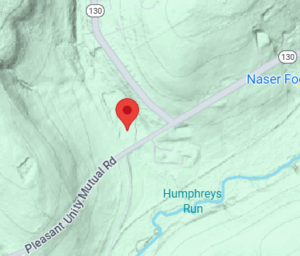
If commercial recycling service isn’t the right fit for your business, don’t let that stop you from recycling. Westmoreland Cleanways Recycling Center is a convenient, option for businesses.
Items that CAN be recycled at the Recycling Center include, but are not limited to:
- Paper (white office paper, corrugated cardboard, newsprint, magazines, other grades of paper)
- Electronics (computer, monitors, printers, copiers, UPS, cords, telephone equipment, etc.)
- Glass bottles and jars – clear, green/blue, and brown
- Expanded Polystyrene (commonly referred to as Styrofoam) – block foam packaging, coolers, and food service trays
Bringing a large load? Contact our office in advance to discuss the best drop-off method and schedule a convenient delivery time.